Sustainable Metrics Peru Research
Creighton University — Department of Biology
A seven-month undergraduate research project on when apiculture can contribute to sustainable rural development in Peru. I was responsible for the field-data structure the project runs on, conducted interviews in Spanish with beekeepers and institutions, and independently developed its bee tourism research track.
Results
14Field interviews conducted in Spanish
From local producers to national sector leadership
Including beekeepers across 10 apiaries, Centro Bartolomé de las Casas, local guides, and the president of Peru’s national beekeeping association.
113Colonies documented across 11 apiaries
Comparable across sites and across future field seasons
Every colony recorded against a standardized ID scheme, so the next team inherits a dataset rather than a pile of notes.
60+Sources across 7 countries
Synthesized into a bee tourism roadmap for the Cusco region
International benchmarking, route design, host-readiness standards, and a proposed pilot model — a research track I developed independently.
Left a reusable field-data architecture behind
National datasets organized to district level and a structure that supports continued comparative analysis after I left. The project runs through summer 2027; this was the pilot season.
The problem
Peru’s apiculture information was fragmented across government datasets, academic research, and local knowledge, with no integrated way to connect colony health, honey production, pollination, environmental conditions, and rural economic opportunity across regions.
Overview
I was responsible for the field-data structure, turning observation forms and interview questions into something consistent and trackable. That structure evolved once field interviews began surfacing things the forms could not fairly quantify. Deciding what to standardize and what to preserve as a written note became a recurring judgment call throughout the project.
The interviews were conducted in Spanish. Beekeepers described hive conditions, management practices, pesticide concerns, and forage in their own terms, which rarely mapped cleanly onto the categories we had created. I was also interviewed in Spanish for a short video aimed at Peruvian youth and young beekeepers.
Separately, I organized national agricultural and apiculture datasets into a data dictionary and structured the data at the department, province, and district levels. This allowed me to compare public figures with what we were observing on the ground.
Bee tourism was not part of the original scope. Field visits made it clear that Peru already had many of the necessary pieces: diverse bee systems, knowledgeable hosts, and existing tourism infrastructure. What was missing was a system connecting them. I developed the research track independently by reviewing more than sixty sources, benchmarking models across seven countries, and proposing a pilot model for the Cusco region.
Gallery(5)
With a beekeeper in the Manú Amazon eco-region. Stingless bee honey, Quillabamba. Being interviewed for a short video aimed at young beekeepers, San Miguel de Acos. Moving field sheets into the working spreadsheet, Quillabamba. With Centro Bartolomé de las Casas (CBC) in Cusco, on the environmental challenges facing agriculture.
What came out of it
 DocumentJul 2026
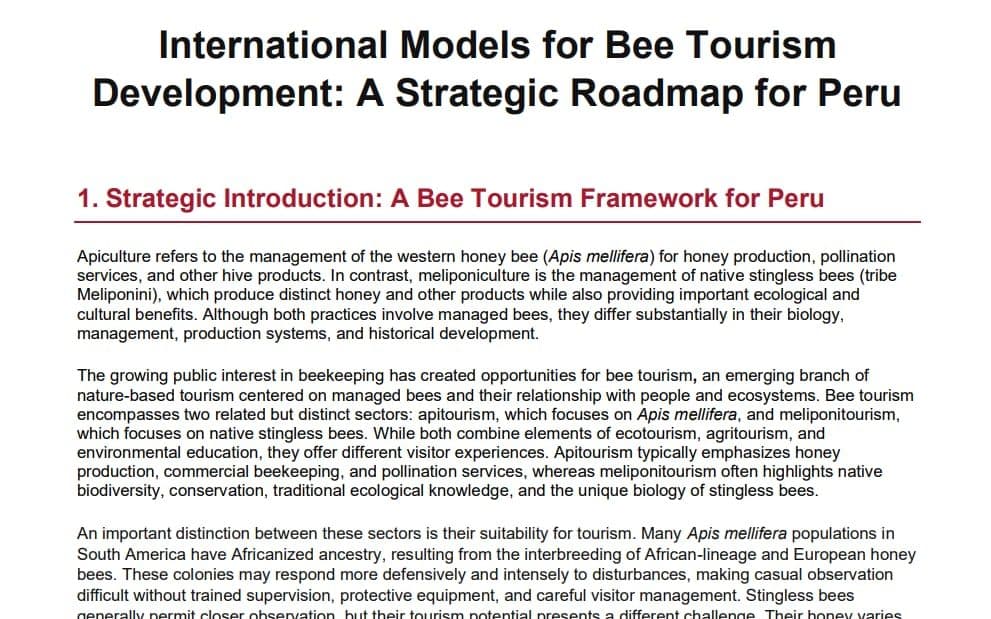
International Models for Bee Tourism
A comparative research report on how bee tourism and rural tourism models abroad handle certification, visitor readiness, destination integration, sustainability, and regional identity — and which of those lessons transfer to a possible bee tourism model in Peru. Written in Peru under the supervision of Dr. Carol Fassbinder-Orth, Creighton University.
Related work
Other work that used the most skills in common with this one.
 2 photosProject
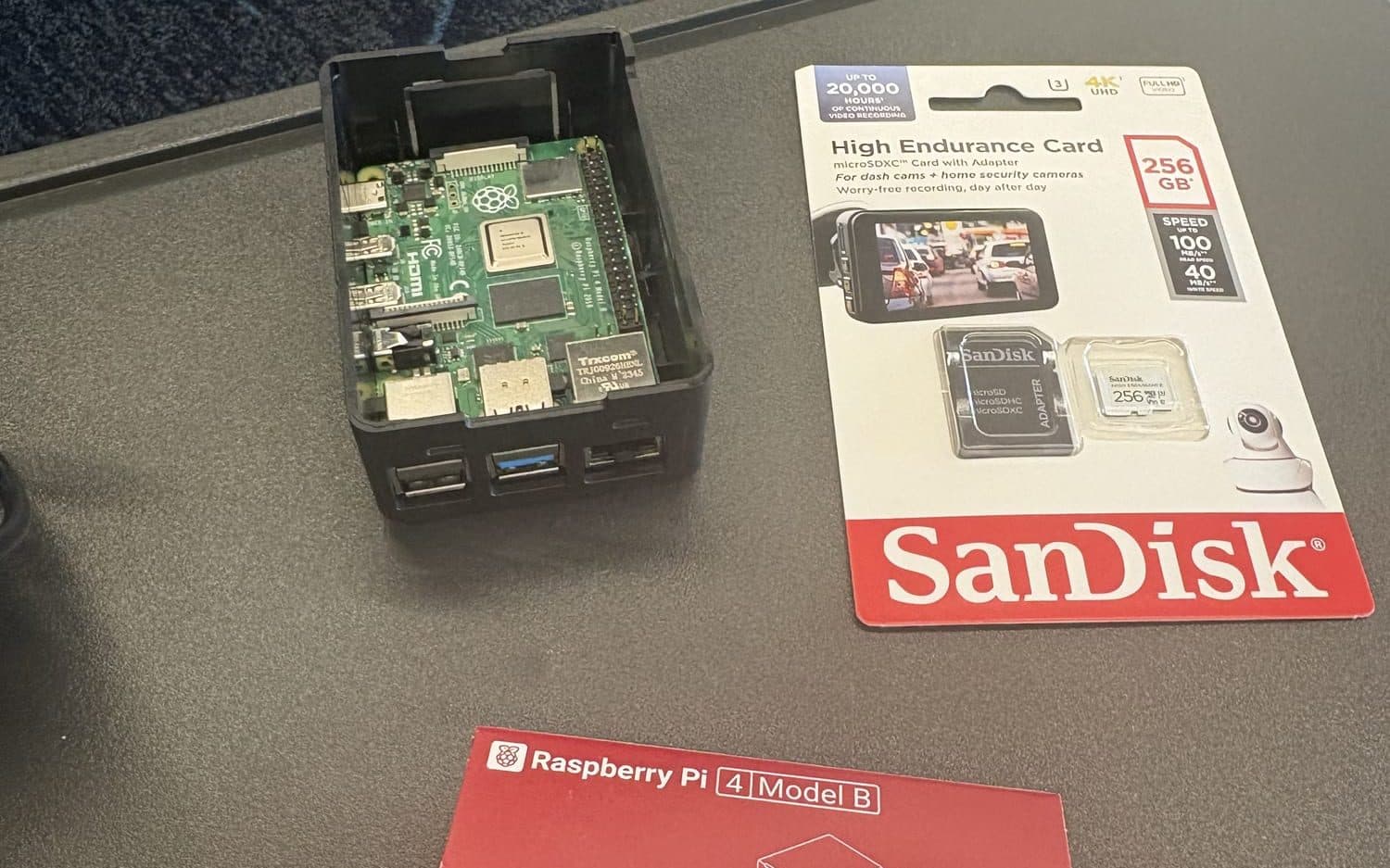
The BlueBox Project — Practicum in International Development
Creighton University · Aug 2026 – Dec 2026
A semester-long interdisciplinary practicum built around the BlueBox, a Raspberry Pi server that delivers educational content to schools without reliable internet. On the technology track I do two things: configure the unit that travels to the Dominican Republic in October, and build a new module of my own for it, an introductory data analysis site in Spanish.
Offline server built and validated locally
- SQL & Database Design
- Web & Application Development
- Team Leadership & Conflict Resolution
- +4
 Internship
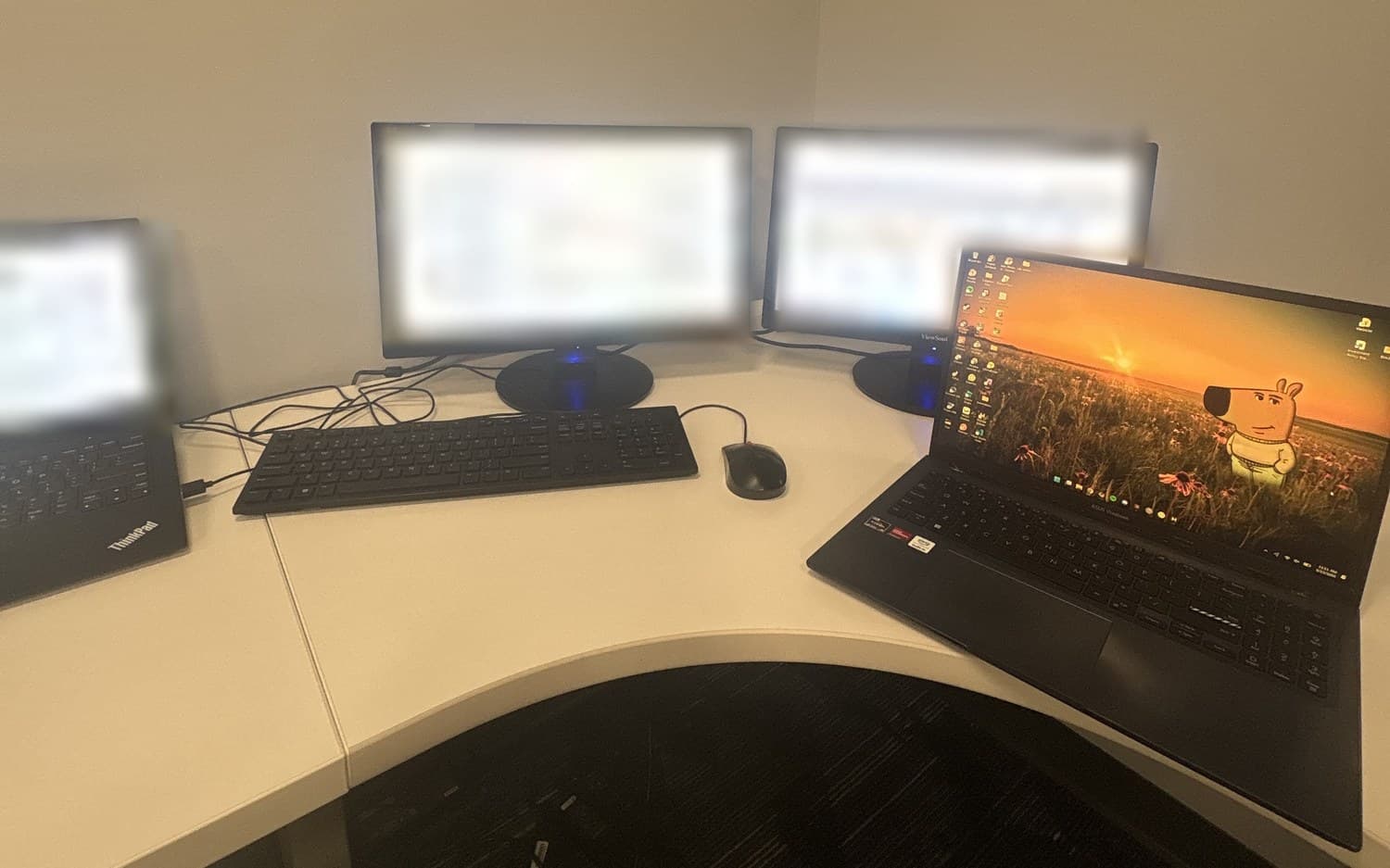
Data Analytics Intern
Creighton University — Analytics and Institutional Research · Sep 2026 – May 2027
A full academic year with Creighton’s Analytics and Institutional Research office, the team that produces the university’s institutional data: federal and external reporting, and the data requests, reports and dashboards that departments across campus run on. My first project is rebuilding the office’s workload dashboard in Tableau.
- Data Extraction & Preparation
- BI & Dashboarding
- Client & Stakeholder Management
 Project
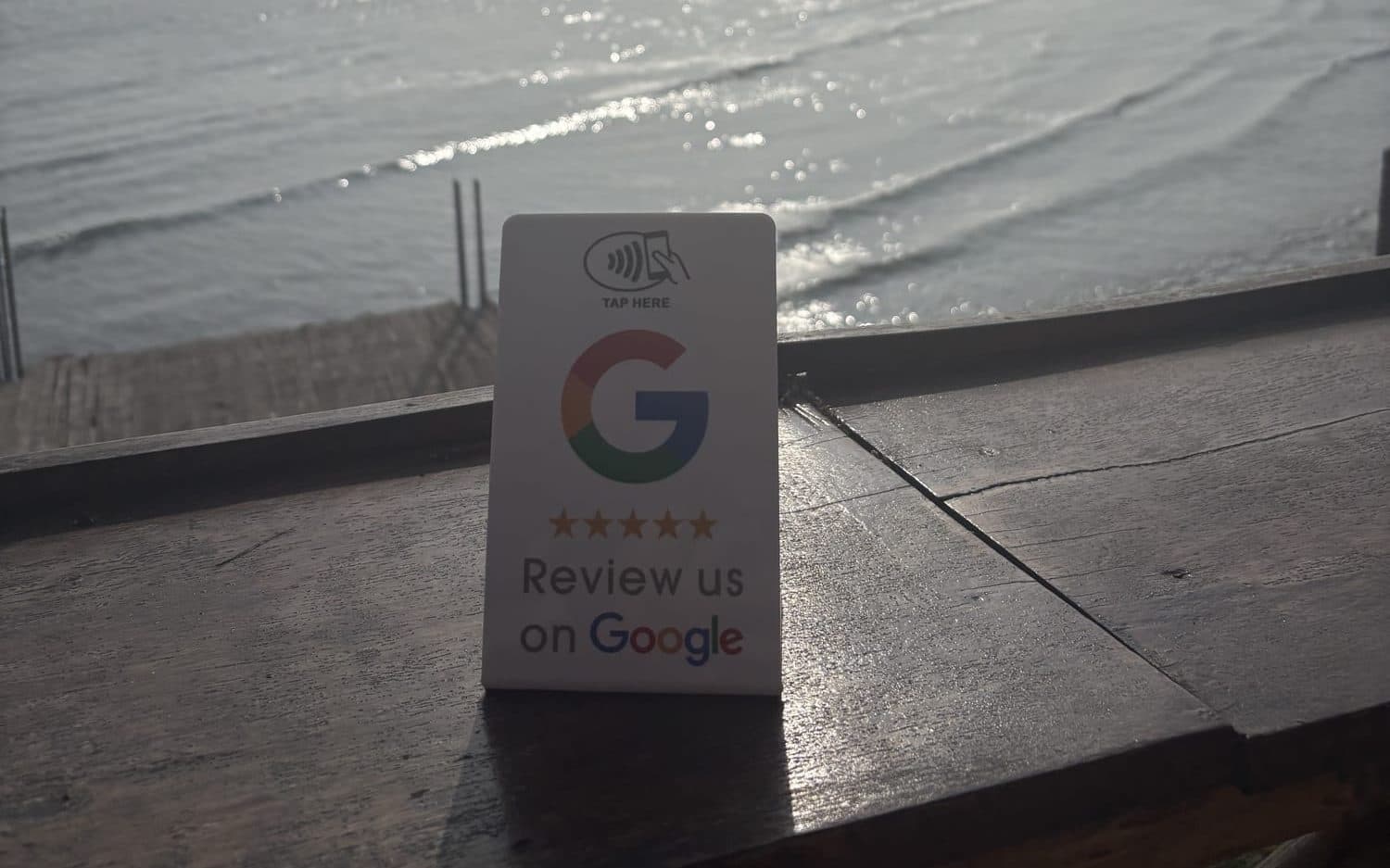
Founder & Field Sales
Founder — sourcing, sales, and installation
Analytical Solutions · May 2026 – Present
A one-person venture selling tap-to-review cards and counter stands to local businesses. I source the leads, walk in, pitch the owner, and install the hardware myself.
15 Client reviews generated
- Field Sales & Negotiation
- Business Operations
- Client & Stakeholder Management
- +1
Jan 2026 – Jul 2026